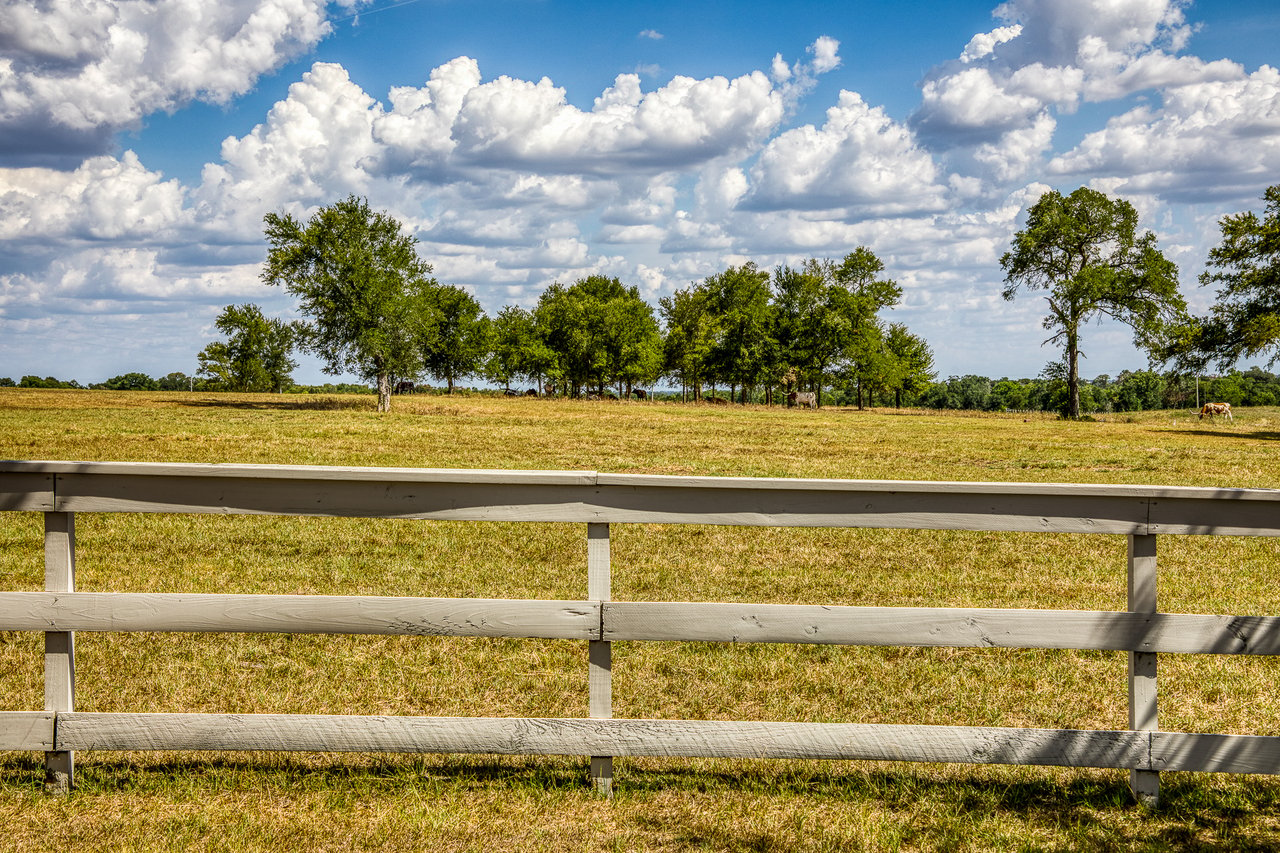
If you are looking at acreage around Brenham, Chappell Hill, or the rest of Washington County, the tax card is often part of why the listing looks affordable. Agricultural open-space valuation (what most buyers call an “ag exemption”) can keep the tax bill on pasture and working land far lower than the same acres valued as a suburban house lot.
That savings is real when the use qualifies. It is not automatic, it is not portable like a sticker on the gate, and it is not something you should assume will look the same the year after you close. This is a practical map for buyers — not tax advice, and not a substitute for the county appraisal district or your CPA.
What people mean by “ag exemption”
In Texas, the common shorthand “ag exemption” usually points to special appraisal for land in agricultural use — often called open-space or productivity valuation. The idea is simple: land that is genuinely used for agriculture is appraised based on its productive capacity, not solely on what a weekend buyer from Houston might pay for the view.
What that means for you as a buyer:
- The listing’s current tax bill may reflect the seller’s agricultural use, not your intended use.
- If use changes after closing — or if the county decides the use no longer qualifies — the tax picture can change, sometimes sharply.
- “Looks like a farm” on Zillow is not the same as “qualifies for open-space valuation” on the appraisal district’s file.
Treat the tax card as a clue, not a guarantee.
Why this matters on Washington County dirt
Washington County sits in the Houston–Austin corridor. A lot of tracts here are part working land, part lifestyle place — a house, some pasture, a barn, maybe a few head of cattle or hay. That mix is normal. It also means buyers and sellers sometimes talk past each other about taxes.
Common buyer assumptions that cause trouble:
- “The tax bill stays low because it is rural.” Rural location alone is not the test. Use and the county’s agricultural standards matter.
- “The seller had ag, so I will too.” Continuity of use helps in many cases, but your plan has to fit what the appraisal district recognizes. A pure weekend retreat with no agricultural use is a different story than keeping the pasture in hay or livestock.
- “I can decide after closing.” You can, but waiting until the first tax notice to learn you lost open-space valuation is an expensive way to learn the rules. Ask before you write the offer.
None of this means you should avoid Washington County acreage. It means the tax story belongs in due diligence next to survey, water, access, and title — the same checklist we cover in our Washington County farm and ranch buyer guide.
What to ask before you fall for the porch view
You do not need a full appraisal-district audit to tour. You do need clear questions so your budget matches the property you are actually buying.
Worth asking early:
- Is the land currently under agricultural open-space valuation? Get the current status from the seller or listing agent, then verify against public appraisal-district information when you can.
- What use supports that valuation today? Hay, cattle, horses, wildlife management, or something else — the story should match what you see on the ground and what the file supports.
- What is your plan for the first 12–24 months? Full-time residence with livestock, weekend place with a caretaker arrangement, or land bank with no agricultural use yet? Be honest with yourself; the county will not grade on intention alone.
- If use changes, what is the rollback or change-of-use risk? Texas has rules around leaving agricultural valuation. The details are fact-specific. Flag the question for your CPA or the appraisal district before you are emotionally committed.
- Does the house-and-land mix match how you will finance and hold the property? Ag use and loan products interact. Our financing guide for Washington County farm and ranch covers the collateral and lender side; put both conversations on the same timeline.
If the answer to any of these is “we are not sure,” that is a pause — not a deal-killer. It is a reason to slow the option period and get the right people on the phone.
Hobby ranch vs working use (without the lecture)
Plenty of good Washington County purchases are lifestyle places that still keep enough agricultural use to support open-space valuation. Plenty of others are beautiful weekend tracts that will never qualify the way a working hay place does. Both can be great buys. They are not the same tax story.
A practical framing:
- If agricultural use is part of why the numbers work, build that use into your offer strategy and your first-year plan — fencing, water for livestock, who runs the cattle or cuts the hay, and what you will tell the appraisal district if asked.
- If you are buying primarily for the house and the view, model taxes without assuming today’s agricultural valuation survives forever. Price the land for the life you will actually live there.
- If you are between those poles, get local guidance early. Corridor acreage around Brenham and Chappell Hill is full of “in-between” tracts. Guessing is how closings get stressful.
How this fits the rest of the file
Ag valuation is one slice. The same purchase still needs clear title and survey, workable access, water and septic that match your plan, and clarity on minerals. Those checks belong in the same week you are modeling taxes — not the week before closing.
For the longer buyer checklist, request the free Texas farm and ranch buyer’s guide.
Next step
If you are watching Washington County farm and ranch from Houston or Austin and want to know how ag valuation fits the tracts you are actually touring, reach out to Legend Texas Properties / Bevers Real Estate Group. Tell us your acreage range, whether agricultural use is part of your plan, must-haves (water, fencing, barns, proximity to Brenham or Chappell Hill), and timing. We will narrow the list to what fits — then walk the ones worth your time.
Legend Texas Properties
7701 Highway 290 E, Chappell Hill, TX 77426
(979) 830-1180 · [email protected]
Legend Texas Properties / Bevers Real Estate Group
7701 Highway 290 East, Chappell Hill, TX 77426
(979) 830-1180 · [email protected]
TREC firm #9008399 · Brad Bevers license #523745
This is not legal, tax, or appraisal advice. Confirm ag valuation status and any change-of-use exposure with the appraisal district and your tax professional.