How to buy a farm or ranch in Washington County without getting surprised at the title company
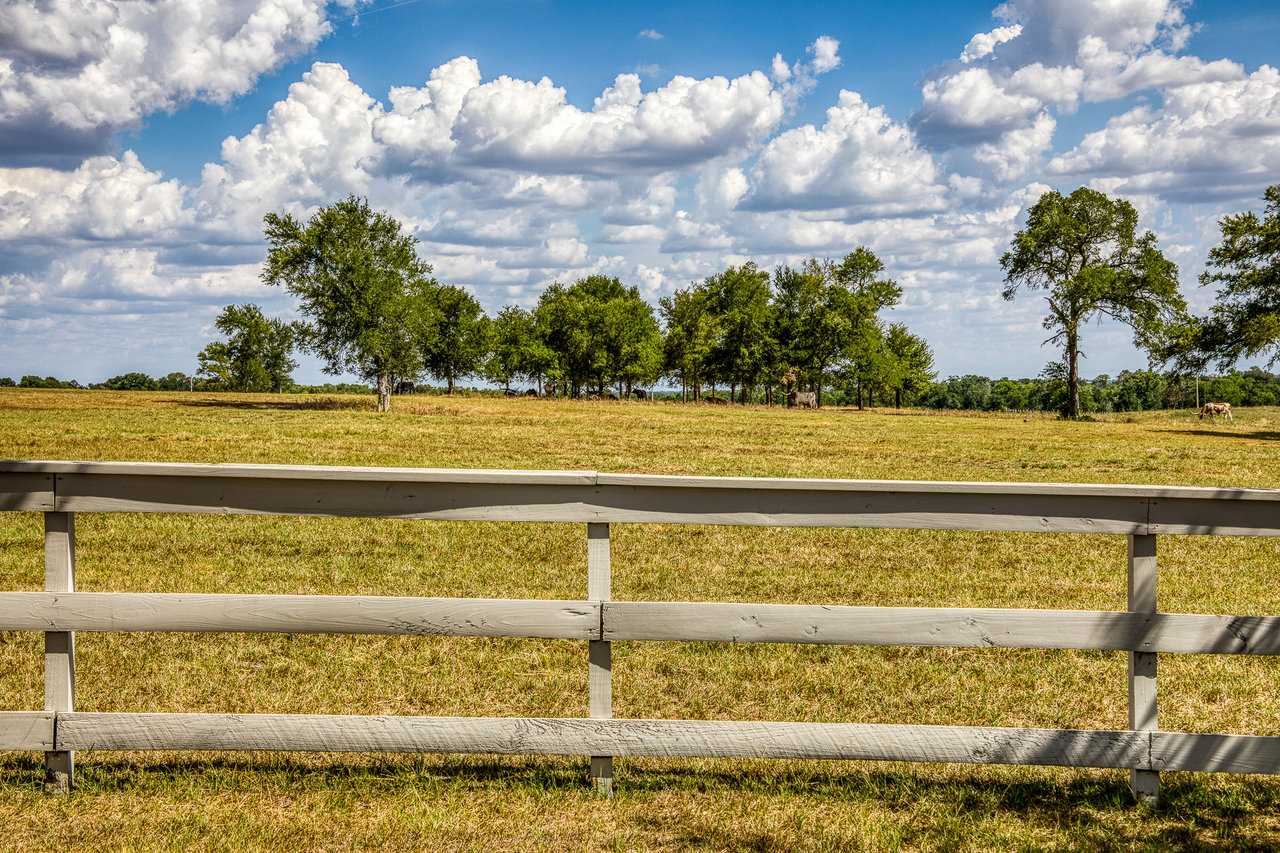
Buying a farm or ranch in Washington County is not the same as buying a subdivision house inside the Loop. The land can look simple from the road. The file at the title company is where surprises show up—easements you did not budget for, water questions nobody asked early, fences that do not match the survey, or ag-use details that change what you thought you were buying.
This is for Houston and Austin buyers looking at Brenham, Chappell Hill, and the surrounding Washington County countryside. Goal: fewer surprises at closing.
Before you fall in love with a porch view, write down the real use. Weekend place. Full-time move. Cattle. Horses. Hay. Wildlife. A shop and quiet. Some combination.
That list drives acreage, road frontage, drainage, outbuildings, whether you need a livable house on day one, and how picky you should be about neighbors and highway noise.
What works for a Houston buyer who wants a smaller acreage tract with a house can be a poor fit for someone who needs true working pasture. Be honest early. It saves tours that were never going to work.
Also, make your list an ordered list. One of the things you will find when looking outside of the larger metro areas is that you don't always get everything you thought you wanted. For example, a wooded property is not going to have stunning views. You may want both, but you have to decide what is more important. Put your non-negotiables at the top.
Out-of-town buyers often start with listing screenshots and a weekend drive. Fine for orientation. Not a purchase plan.
Farm and ranch contracts here turn on details city resale buyers do not always expect: survey status, access, minerals, floodplain, wells and septic, ag exemptions, and what conveys with the sale. Work with a broker who regularly handles Washington County land. You want someone who will slow you down when the marketing looks cleaner than the file.
A pretty gate does not equal clear access. Ask through your agent, in writing:
Access and boundary issues are classic title-company surprises because they are easy to gloss over in a field talking about sunsets. Raise them before you give up option leverage.
City buyers turn on a tap and get a bill. Rural Washington County is more mixed: public water in some places, community water in some parts, and wells in others, septic systems of different ages, and electric that may need upgrades for a shop or barn.
Make water and wastewater a primary diligence track. If there is a well, push on condition and production through inspections and disclosures. If there is septic, treat it like a major system. If you want animals or a guest house later, ask whether capacity and setbacks support that plan. Power, internet, and propane assumptions belong in the same early conversation.
Many tracts are marketed with agricultural use in mind. Buyers hear "ag exemption" and assume the tax picture stays the same after closing. That is not automatic.
Exemption and valuation depend on use, documentation, and appraisal-district process. You do not need to become the tax office. You do need clear questions early, carefully read the disclosures, and get local guidance so the first tax statement is not a shock. If livestock, hay, or wildlife management is part of your plan, say so up front—it changes which properties are realistic. (Hint: you need to fill out a new 1-D-1 form as soon as you buy.)
In Texas land deals, the surface is not always the whole estate. Sellers may reserve minerals. Prior owners may have already. Leases may exist.
No need to invent drama. You do need clarity on what conveys, what is reserved, and whether that matches the price. Pin it in the contract and title commitment—not in a verbal comment at the tailgate.
A dry-month listing photo will not tell you how water moves after a heavy spring rain. Walk the low spots. Ask about creeks, tanks, overflow, and whether you can still reach the house and barns when fields are wet. Check floodplain information as normal diligence.
For farm and ranch buyers, drainage is operations—not only insurance. It decides where cattle stand, where equipment sinks, and where a home site still makes sense.
On acreage properties, skimming disclosures gets expensive. Match what is said—and carefully not said—about wells, septic, flooding, home and barn condition, shared drives, and disputes against inspections and survey results.
Run parallel workstreams: contract timing that protects inspections; survey and access review; property systems inspections; title commitment review with your agent (and counsel when needed); insurance and lender requirements if financing; final walk-through that still includes gates, water, and access.
Cash does not erase easements. It only shortens the calendar.
Most bad surprises are ordinary issues that should have been raised in week one: practical access that is messy on paper; survey problems; liens or probate loose ends; reservations you did not price in; road-maintenance obligations on some rural setups; vesting details that delay signing.
A good local process surfaces those while you still have room to solve them—or walk.
Washington County is worth the drive when the land fits your real plan. The buyers who close calmly treat the dirt like an asset file: access, water, boundaries, title, and use—then price.
If you want help looking at farm and ranch options around Brenham and Chappell Hill, reach out and we will start with fit, not fluff.
Brad Bevers · Legend Texas Properties
Washington County · Brenham · Chappell Hill
(979) 830-1180 · legendtexas.com
Stay up to date on the latest real estate trends.
You've got questions and we can't wait to answer them.